
Order Your Ideal Deer Hunting Blind Today
- JayDe Dimmick
- Jan 12
- 4 min read

Deer hunting is more than just a pastime; it's a tradition that many cherish. Whether you're a seasoned hunter or a newcomer, having the right equipment can significantly enhance your experience. One of the most crucial pieces of gear is your hunting blind. A well-chosen blind can provide you with the comfort, concealment, and visibility you need to make your hunt successful. In this post, we will explore how to select your ideal deer hunting blind, the various types available, and tips for setting it up effectively.

Understanding the Importance of a Hunting Blind
A hunting blind serves multiple purposes. It provides shelter from the elements, conceals your presence from deer, and allows for a more comfortable hunting experience. Here are some key benefits of using a hunting blind:
Concealment: A good blind helps you blend into your surroundings, making it harder for deer to spot you.
Comfort: Many blinds come with features like padded seats and protection from wind and rain, allowing you to stay in the field longer.
Visibility: A well-placed blind gives you a clear view of the area, increasing your chances of spotting deer.
Types of Deer Hunting Blinds
When it comes to choosing a deer hunting blind, there are several types to consider. Each has its own advantages and disadvantages, depending on your hunting style and environment.
1. Ground Blinds
Ground blinds are typically made from fabric or lightweight materials and are designed to be set up on the ground. They are easy to transport and can be quickly assembled in the field.
Pros:
Lightweight and portable
Easy to set up
Can be camouflaged with natural materials
Cons:
Less durable than other types
May not provide as much protection from the elements
2. Elevated Blinds
Elevated blinds are built on platforms, allowing hunters to sit above ground level. This type of blind offers a better vantage point and can help reduce scent dispersal.
Pros:
Improved visibility
Better scent control
More protection from ground-level predators
Cons:
More challenging to set up
Heavier and less portable
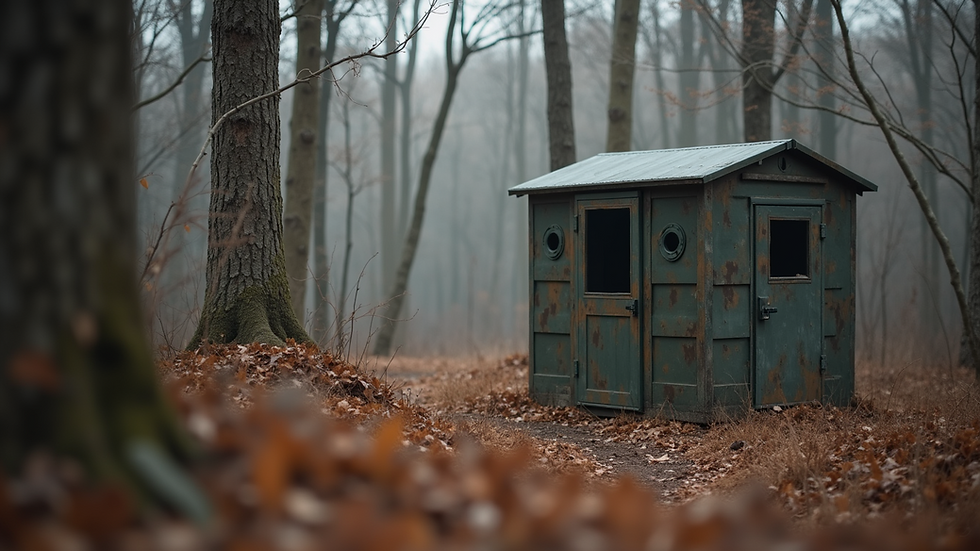
3. Box Blinds
Box blinds are sturdy structures that provide ample space and comfort. They can be made from wood or metal and often come with windows for shooting.
Pros:
Highly durable
Comfortable and spacious
Offers protection from the elements
Cons:
Requires more effort to transport and set up
Can be expensive
Factors to Consider When Choosing a Blind
Selecting the right deer hunting blind involves considering several factors. Here are some essential elements to keep in mind:
Location
The location of your blind is crucial. Look for areas with high deer traffic, such as near food sources, water, or trails. Ensure your blind is well-camouflaged with natural vegetation.
Size
Consider how many people will be using the blind. If you're hunting alone, a smaller blind may suffice. However, if you're hunting with friends or family, opt for a larger model.
Weather Resistance
Choose a blind that can withstand the weather conditions in your area. Look for materials that are waterproof and can handle wind and snow.
Ease of Setup
If you plan to move your blind frequently, consider a model that is easy to set up and take down. Ground blinds are typically more portable than elevated or box blinds.
Tips for Setting Up Your Deer Hunting Blind
Once you've chosen your ideal blind, it's time to set it up. Here are some tips to ensure you get the most out of your hunting experience:
1. Choose the Right Time
Set up your blind well in advance of your hunting trip. This allows deer to become accustomed to its presence. Ideally, set it up at least a week before your hunt.
2. Use Natural Cover
When placing your blind, use natural cover to help conceal it. Surround it with branches, leaves, or other vegetation to make it blend into the environment.
3. Position for Wind Direction
Consider the wind direction when setting up your blind. Position it so that your scent is carried away from the deer, increasing your chances of a successful hunt.
4. Keep It Clean
Before your hunt, ensure the inside of your blind is clean and free of any scents that could alert deer. Avoid eating or using strong-smelling products inside the blind.
Maintenance and Care for Your Blind
To ensure your hunting blind lasts for many seasons, proper maintenance is essential. Here are some tips for keeping your blind in top shape:
1. Clean Regularly
After each use, clean your blind to remove dirt, debris, and any odors. This will help maintain its camouflage and prevent unwanted scents.
2. Store Properly
When not in use, store your blind in a cool, dry place. If it's a fabric blind, avoid folding it in the same spot repeatedly to prevent wear and tear.
3. Inspect for Damage
Regularly check your blind for any signs of damage, such as tears or broken parts. Address any issues promptly to ensure it remains functional.
Conclusion
Choosing the right deer hunting blind is essential for a successful hunting experience. By understanding the different types available and considering factors like location, size, and weather resistance, you can select a blind that meets your needs. Remember to set it up well in advance, use natural cover, and maintain it properly for the best results.
Now that you know how to order your ideal deer hunting blind, it's time to take action. Visit your local sporting goods store or browse online to find the perfect blind for your next hunting adventure. Happy hunting!

Comments